We hear it constantly — online, in reviews, in calls from homeowners a year or two after their install: "The fabricator didn't seal it properly." A stain appears. Water soaks in. Something etches. And the first place the blame lands is on whoever installed the stone.
We get it. Nobody told you sealing was your responsibility. Nobody explained that some materials need three or four applications before they stop absorbing sealer at all. Nobody mentioned that the citrus spray you've been using to clean your counters was stripping the protection every single week.
In most cases, the fabricator did everything right — except educate you and set the right expectations. Natural stone maintenance is an ongoing homeowner responsibility, and most people are never told that at the time of purchase. The fabricator's initial seal gets you started. What happens after that is up to you — and it's not complicated once you understand what you're actually working with.
What Sealer Actually Is — and What It Isn't
This is the most misunderstood part of natural stone ownership, and it's worth getting right before anything else.
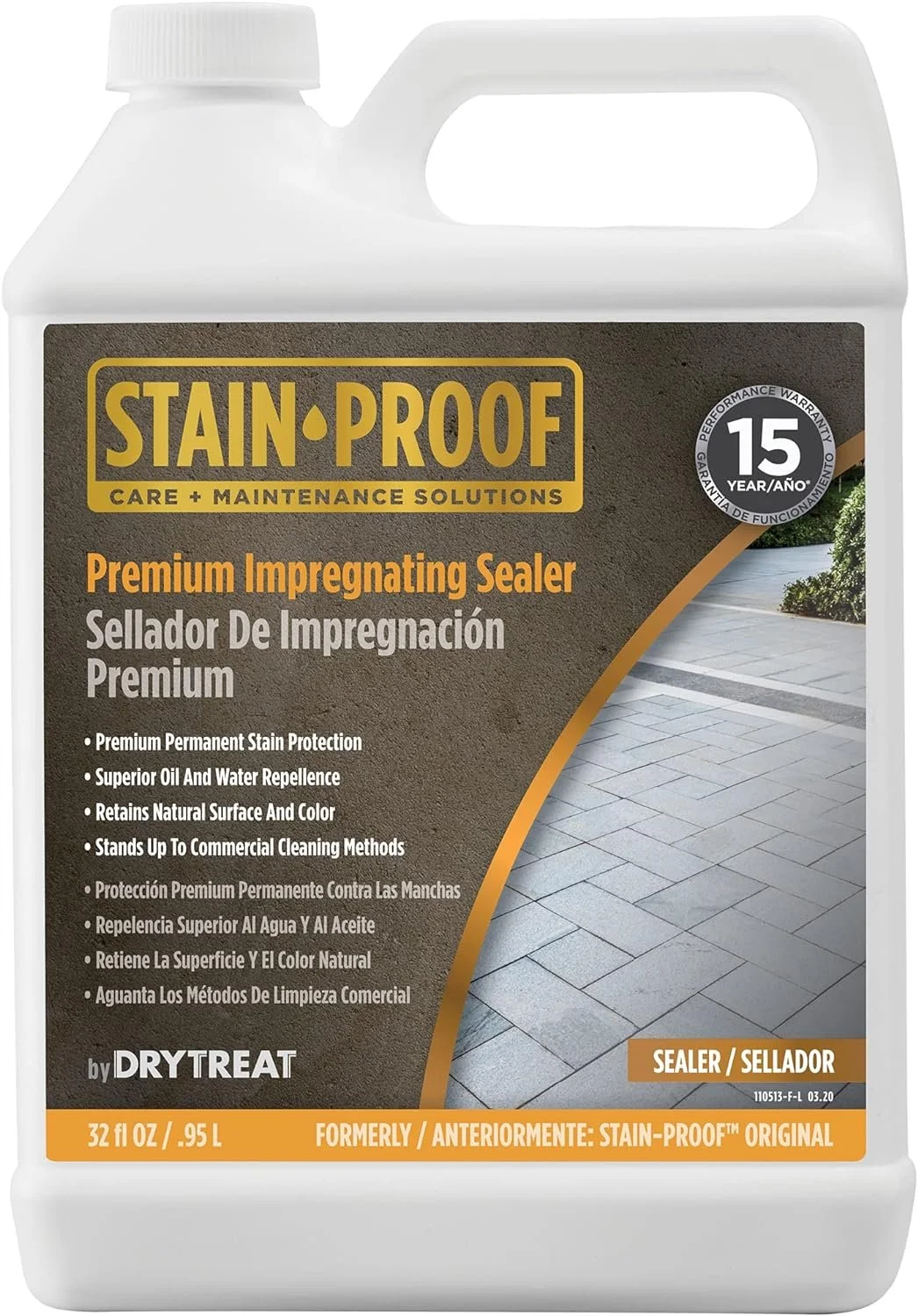
A penetrating sealer is not a coating. It doesn't sit on top of your stone like a clear coat on a car or a finish on hardwood floors. What it actually does is soak into the pores of the stone and coat them from the inside — reducing how quickly liquids can absorb into the surface and giving you more time to wipe up a spill before it becomes a stain. That's it. That's the job.
Sealer does not prevent etching on any material. Full stop. Etching is a chemical reaction between an acid and the calcium carbonate in the stone — it happens at the surface, and a penetrating sealer offers no barrier against it. The only way to actually prevent etching is with a literal surface coating — think plastic film or an epoxy-type topcoat. These products exist, but they're extremely expensive, rarely used, and generally reserved for high-end marble applications where the client understands and accepts the tradeoffs. For the vast majority of homeowners, etching prevention is not a realistic option. Your best defense is knowing what you have, using the right cleaners, and wiping up acidic spills quickly.
Understanding this distinction matters because a lot of homeowners discover an etch mark on their marble or dolomite and immediately blame the sealer — or the fabricator who applied it. Sealer was never going to stop that. What protects you from etching is choosing the right material for your lifestyle and knowing how to care for it.
Let's Clear Up Some Common Myths
How to Tell When Your Stone Needs Resealing
The Water Bead Test
Drip a small amount of water on your countertop. If it beads up and sits on the surface — you're protected. If it soaks in within a few minutes and darkens the stone — it's time to reseal.
This is the single most reliable field test and it costs nothing. Do it in a few different spots across your countertop, since wear patterns can vary. High-traffic areas near the sink often need attention before the rest of the surface does.
How Often Should You Seal?
There is no universal answer — it genuinely depends on your specific material. Here's a rough guide:
| Material | Typical Frequency | Notes |
|---|---|---|
| Taj Mahal Quartzite | Every 3–5+ years | Exceptionally dense; minimal maintenance needed |
| Most True Quartzites | Every 1–3 years | Varies by slab — do the water bead test |
| Granite | Every 1–2 years | Denser granites may need less; test first |
| Marble | Every 6–12 months | Also prone to etching — sealer does not prevent this |
| Dolomite / Soft "Quartzite" | Every 3–6 months | High maintenance; etches from acids |
| Limestone / Travertine | Every 6–12 months | Very porous; needs consistent attention |
Your Cleaners Matter Too
Even with perfect sealing, the wrong cleaners will strip your protection fast:
- Avoid anything acidic — vinegar, lemon, citrus-based sprays, many "natural" cleaners
- Avoid ammonia-based cleaners — Windex and most glass cleaners contain ammonia
- Avoid bleach — damages sealers and can discolor stone over time
- Use pH-neutral stone-safe cleaners — dish soap diluted in water is a solid option for daily use
Note on dish soap: Plain dish soap (a few drops in water) is genuinely fine for daily countertop cleaning — your fabricator likely recommended it for good reason. Just rinse well. Avoid letting soapy water pool and dry, as it can leave a film over time.
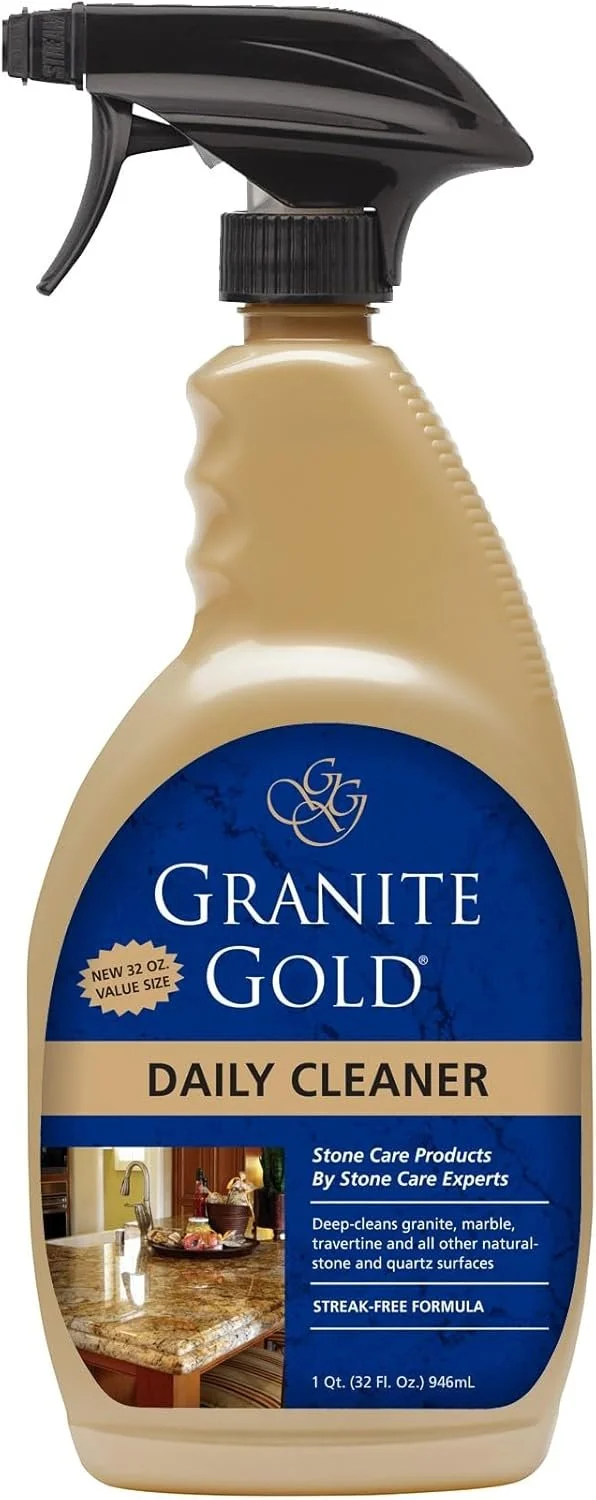
Avoid anything labeled "polish" — and skip the combo products entirely. Cleaners with polish in them almost always contain some form of wax. Wax will make your countertops shine temporarily, but it builds up over time and eventually makes them look more dull and hazy than before. It's a short-term fix that creates a long-term problem.
The same goes for cleaner-sealer combos. You are not getting a real seal out of a spray bottle that also cleans. These products cut corners on both functions and deliver neither well. Use a cleaner to clean. Use a sealer to seal. That's it — no combos, no polish, no wax.
How to Seal Your Countertops
The process is straightforward. The intimidating reputation is undeserved:
- Clean the surface thoroughly and let it dry completely — moisture blocks penetration
- Apply sealer generously with a clean cloth or applicator, working in sections
- Let it sit for the time specified on the product (usually 5–20 minutes)
- Wipe off the excess completely before it dries on the surface
- Let cure for the recommended time before using the surface
- Repeat if the water bead test still shows absorption
Some very porous stones need 3–4 applications in a row before they stop absorbing sealer. That's not a problem — that's just the stone telling you it's filling up. Keep going until a coat sits on top without absorbing within the time window.