

I hear this confusion multiple times a week:
"I think I want quartz called Taj Mahal."
Or:
"We want quartzite because we don't want the maintenance of natural stone."
The names sound almost the same. Both materials look beautiful. And honestly, unless you work with countertops every day, there's no reason you'd know the difference.
So let's clear it up.
What Is Quartzite?
Quartzite is a natural stone.
It's formed deep underground when sandstone is subjected to extreme heat and pressure over millions of years. The result is an incredibly hard, dense stone that's cut into slabs and finished for countertops.
Think of it like this: quartzite is sliced straight from the earth — like cutting bread from a loaf — then polished, honed, or leathered to bring out its natural beauty.
Examples:
- Taj Mahal Quartzite
- Perla Venata Quartzite
- Sea Pearl Quartzite
- Mont Blanc Quartzite
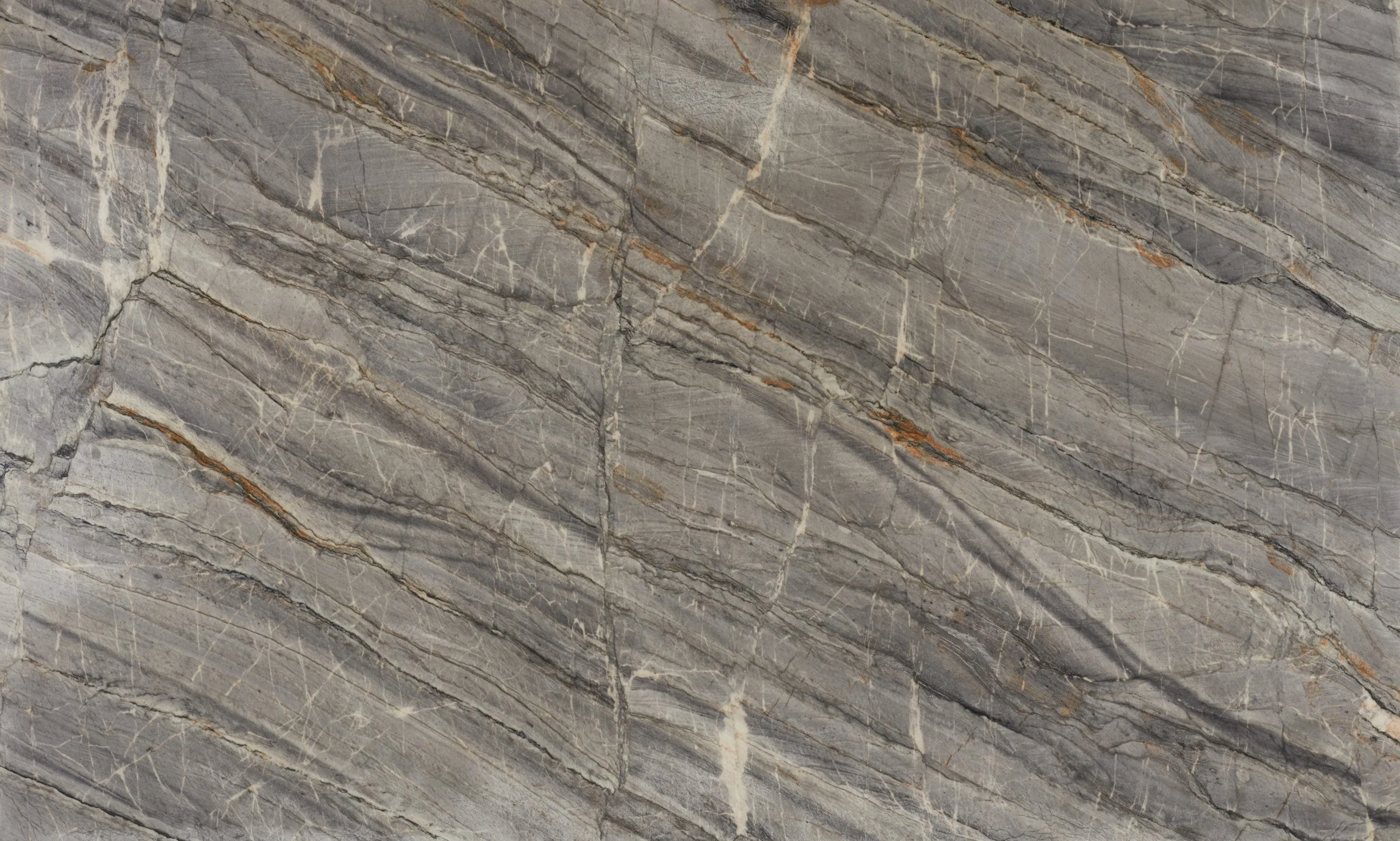
Beverly Blue Quartzite - natural stone variety
Every slab is unique. No two pieces look exactly the same. That's the appeal — and also why seeing the actual slab before it's installed matters so much.
What Is Quartz?
Quartz is an engineered material.
It's made by crushing natural quartz (a mineral) and combining it with resins and pigments to form a slab. The result is a consistent, manufactured product designed for durability and low maintenance.
Here's where it gets interesting — and a little confusing.
Yes, quartz is a real mineral. It's one of the hardest and most abundant minerals on earth. You'll find it in granite, quartzite, and countless other natural stones.
But when the countertop industry refers to "quartz," they're talking about the engineered product made from crushed quartz combined with resins and pigments.
Quartz countertops existed long before they became popular, but it wasn't until the early 2000s that we started seeing them spec'd on designer projects and requested by customers. Back then, the industry called it "engineered stone" or "ES." Over time, that shifted to just "quartz."
At a 2022 meeting at Cambria's headquarters in Minnesota — I was there with a group from the ASF — Marty Davis, the owner of Cambria, explained why they pushed for this change in terminology.
He said his family is in the dairy industry, and you wouldn't call cheese "engineered milk." Milk makes cheese when it's processed. Ground natural quartz makes up the majority of quartz countertops. The term "engineered" sounded fake — even though the base material is real.
So the industry shifted to calling it simply "quartz."

ASF group at Cambria headquarters, summer 2022
Examples:
- Cambria
- Caesarstone
- Silestone
- MSI Q Quartz
- Hanstone
Quartz is manufactured to be consistent. If you see a sample you like, the full slab will look nearly identical. There's no variation between slabs because it's designed that way.
The Visual Difference
Here's where it gets tricky — quartz manufacturers have gotten incredibly good at replicating the look of natural stone.
Take a look at these comparisons:
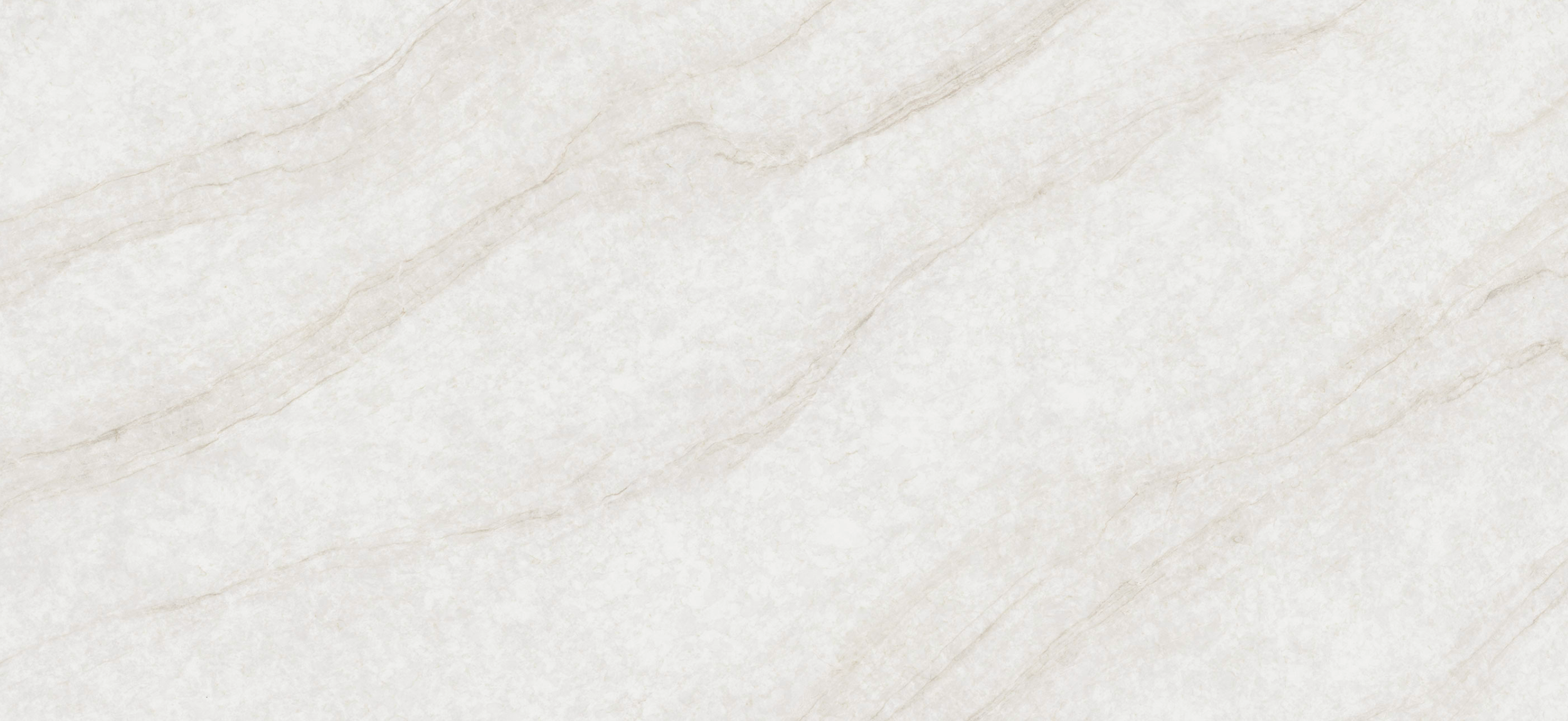
Ivoritaj Quartz (Engineered)
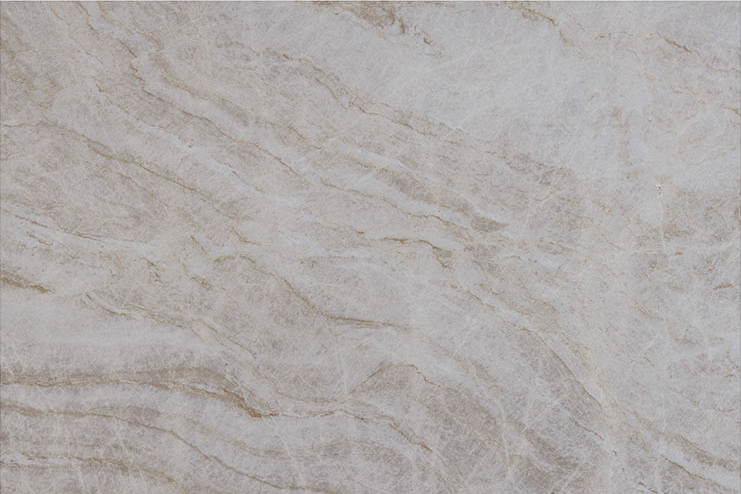
Taj Mahal Quartzite (Natural Stone)
Pretty close, right?
That's why the distinction matters — not for aesthetics, but for how the material performs in your home.
What About Granite?
Granite is also a natural stone — and it's harder and denser than most people realize.
Like quartzite, granite is cut from the earth and finished for countertops. It's been the go-to choice for decades because it's durable, heat-resistant, and relatively low-maintenance for natural stone.
The main difference between granite and quartzite is visual. Granite tends to have more color variation and speckled patterns, while quartzite often has softer, more flowing movement that resembles marble.
Both require sealing. Both handle heat well. Both are natural stone.
If you're comparing materials, the real decision is usually between quartz (engineered) and natural stone (granite or quartzite) — not between granite and quartzite specifically.
The Real Difference: Maintenance and Heat
Here's what actually matters when choosing between quartz and quartzite:
Quartzite (Natural Stone)
Sealing and Maintenance: Quartzite requires periodic sealing and can stain if not properly maintained.
Some quartzites — like Taj Mahal — are exceptionally dense and durable, so they don't stain as easily as others. Sealing is typically done about once a year and is straightforward.
Performance: Heat-resistant, scratch-resistant, incredibly durable, and maintains its beauty for decades with basic care.
Quartz (Engineered)
Heat Sensitivity: Prolonged or intense heat can cause discoloration.
Setting a hot pan down for a quick second while you grab a trivet? Usually fine. But crockpots, fireplace proximity, or extended heat exposure can cause problems.
Performance: No sealing required, highly stain-resistant, consistent appearance, and performs beautifully in everyday kitchens.
Both materials are excellent choices. The decision comes down to your lifestyle and which trade-off matters less to you.
Which Should You Choose?
Choose Quartzite (Natural Stone) if:
- You love natural variation and unique patterns
- You want real stone
- You're comfortable with periodic sealing (it's easier than you think)
- Heat resistance is important to you
Choose Quartz (Engineered) if:
- You want zero-maintenance countertops
- You prefer consistent patterning across the entire surface
- You rarely use hot cookware directly on countertops
- You want predictable pricing and lead times
There's no wrong answer. Both materials are excellent. The right choice is the one that fits how you actually live.
One Last Thing
If you're shopping for countertops and someone uses "quartz" and "quartzite" interchangeably — or seems unclear about the difference — that's a red flag.
These are fundamentally different materials with different care requirements, pricing, and performance characteristics. A professional fabricator should know this inside and out.
If you're unsure which material you're looking at, ask:
- "Is this natural stone or engineered?"
- "Does this require sealing?"
- "What happens if I set a hot pan on this?"
The answers will tell you exactly what you're working with.